Understanding the Ancient Art of Cupping Therapy
Cupping therapy is one of the world oldest and most effective modalities for deep tissue decompression. While traditional massage pushes down on muscles and fascia, cupping utilizes negative pressure to suction and lift muscle layers upward. This simple mechanical difference produces dramatic therapeutic results that standard massage alone cannot replicate.
How Suction Decompression Works
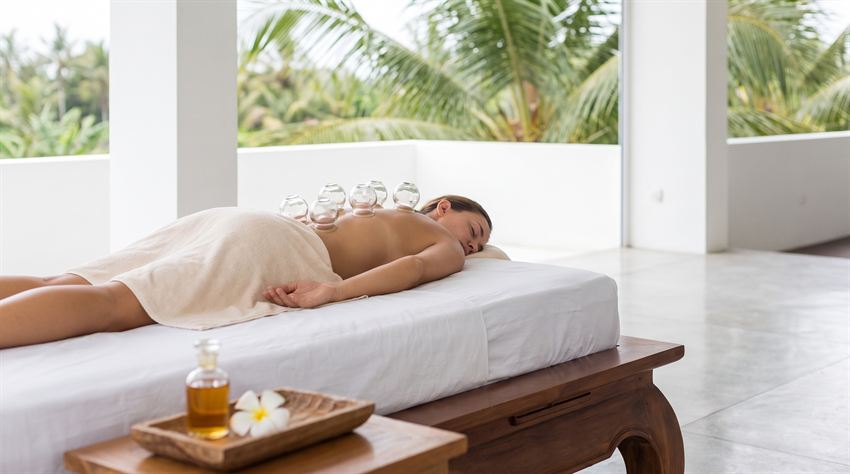
When specialized silicone, glass, or polycarbonate cups are applied to the skin, the vacuum draws micro-capillary circulation into stagnant muscle knots. This flood of fresh, oxygenated blood nourishes oxygen-deprived tissues while flushing out accumulated metabolic waste, cellular debris, and lactic acid.
Key Health Benefits of Cupping
- Fast-acting Myofascial Release: Loosens stubborn adhesions in the upper trapezius, rhomboids, and lower back within minutes.
- Accelerated Athletic Recovery: Surfers and fitness enthusiasts experience rapid clearance of muscle soreness after demanding sessions.
- Deep Lymphatic Drainage: Stimulates fluid drainage to reduce systemic inflammation and water retention.
- Immune System Support: Triggers a localized immune response that promotes natural cellular repair mechanisms.
Wet Cupping (Hijama) vs Dry Cupping vs Fire Cupping
At Adventure Massage Canggu, we offer all three major cupping modalities delivered directly to your home:
- Dry Cupping: Gentle vacuum cups applied without incisions. Ideal for muscle tightness and everyday relaxation.
- Wet Cupping (Hijama): A clinical protocol involving light micro-punctures to draw out stagnant, toxin-laden blood. Highly sought after for chronic back pain and seasonal detoxification.
- Fire Cupping: Uses glass globes warmed briefly with flame to generate a deep, penetrating thermal vacuum that drives out internal chills.
What Are the Circular Marks?
The distinctive circular discoloration left behind is not a traumatic bruise. It represents cellular waste, lactic acid, and stagnant blood that has been pulled to the superficial dermal layer where your lymphatic system can quickly process and eliminate it. These marks typically fade completely within 3 to 7 days.